
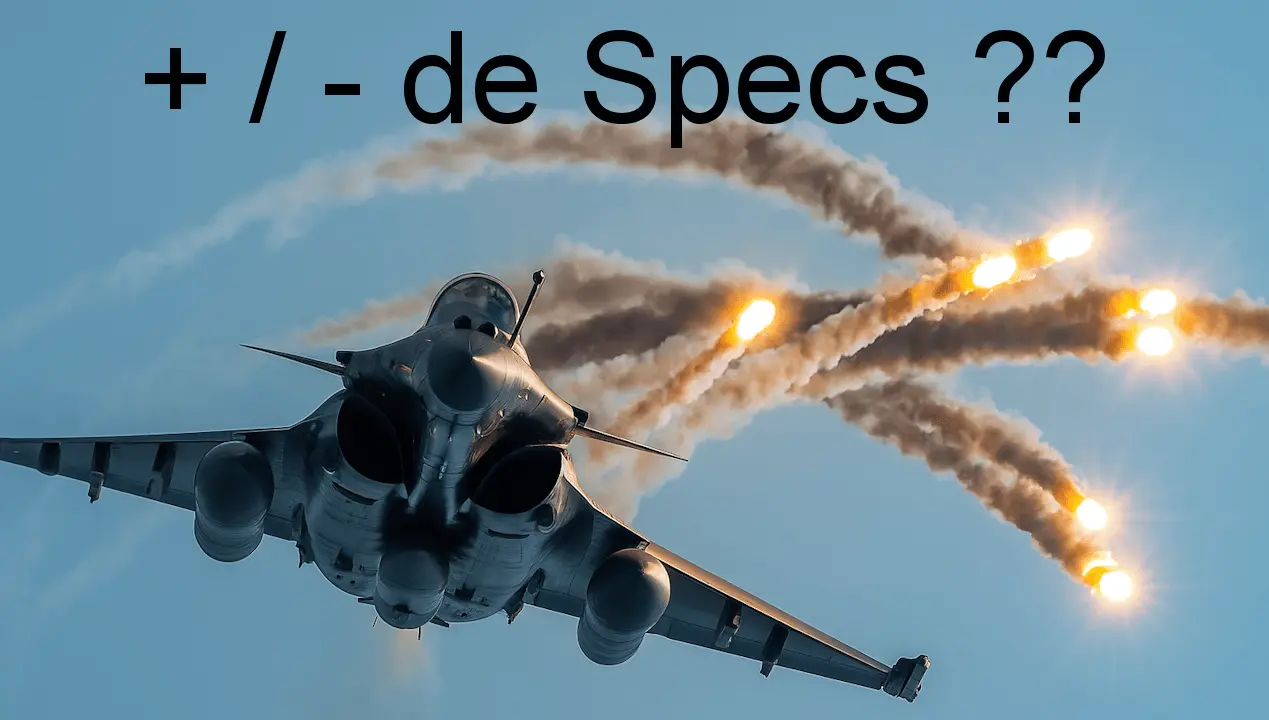
Wars are the scene of atrocities but also the engine of technological innovations that can be analyzed like phylogenetic trees.
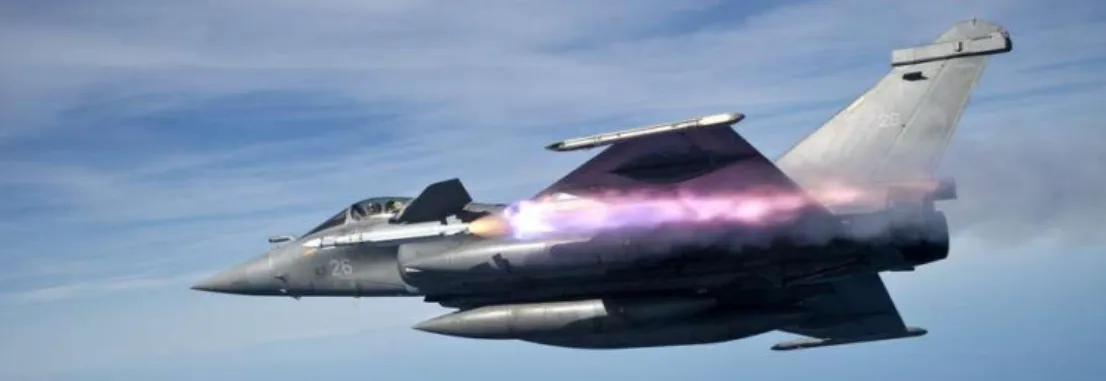
An example of an innovation duel: a fighter jet and an air-to-air missile. A missile can track and catch a jet by homing in on its heat. The jet can try to escape through maneuvers and by releasing thermal decoys. Jets and missiles are in an innovation competition.
On the missile side, this translates into: the number of g it can withstand while turning (high g = tight turning angle), the ease of locking onto its target (detection cone angle), and the ability to keep tracking the jet despite its maneuvers (tracking cone angle).
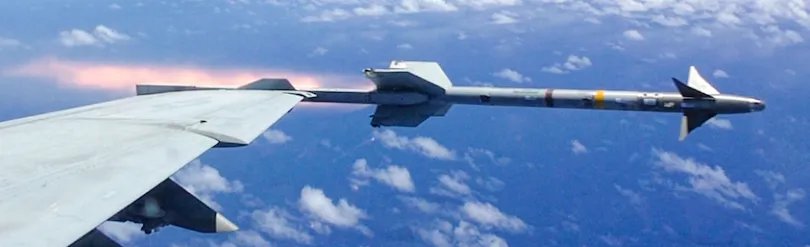
In the USA, late 50s, the AIM-9B missile withstands 10 g and has state-of-the-art detection, but only a small detection cone and a small tracking cone. Jets rely on maneuverability and decoys.
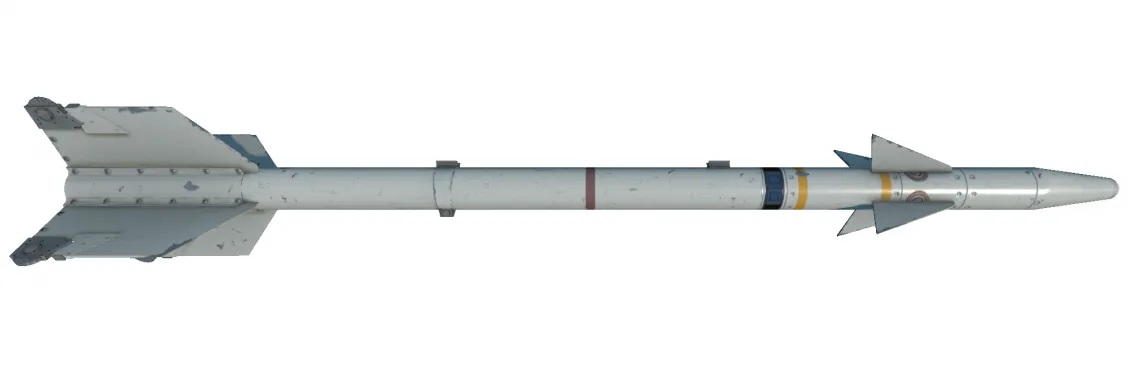
In the 70s, its evolution the AIM-9E stays at 10 g but has a medium detection cone and medium tracking. It should be more effective, but the increase in its tracking cone makes it more sensitive to decoys (because it sees more broadly around the jet to track it, but it also sees all the decoys).
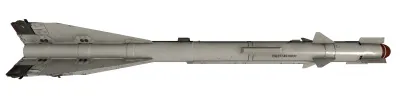
In the USSR at the same time, the R-60 comes out withstanding 30 g with a large detection cone and a medium tracking cone. It's a huge leap forward to turn that tightly. Its effectiveness is formidable and jets must evolve to escape it, but it remains sensitive to decoys.

An innovation arrives in the 80s with the French Magic 2, which REDUCES its tracking angle while withstanding 30 g. Indeed, it turns very tightly, so it doesn't need to see wide, and by staying focused on the jet it is less sensitive to decoys.
Before trying to innovate, it helps to have KPIs ;). Reducing a specification that was always meant to be high in order to gain effectiveness leads us to three observations:
- An innovation is different from an improvement (not just pluses).
- A high-performing technical spec should not be confused with a positive user experience.
- You don't need to aim for "better everywhere" to innovate.
This approach is typical of the ASIT creativity method, which finds innovative solutions by working on contradictions. To discover how to apply these principles in your projects, check out our creativity training programs and our client references.
