
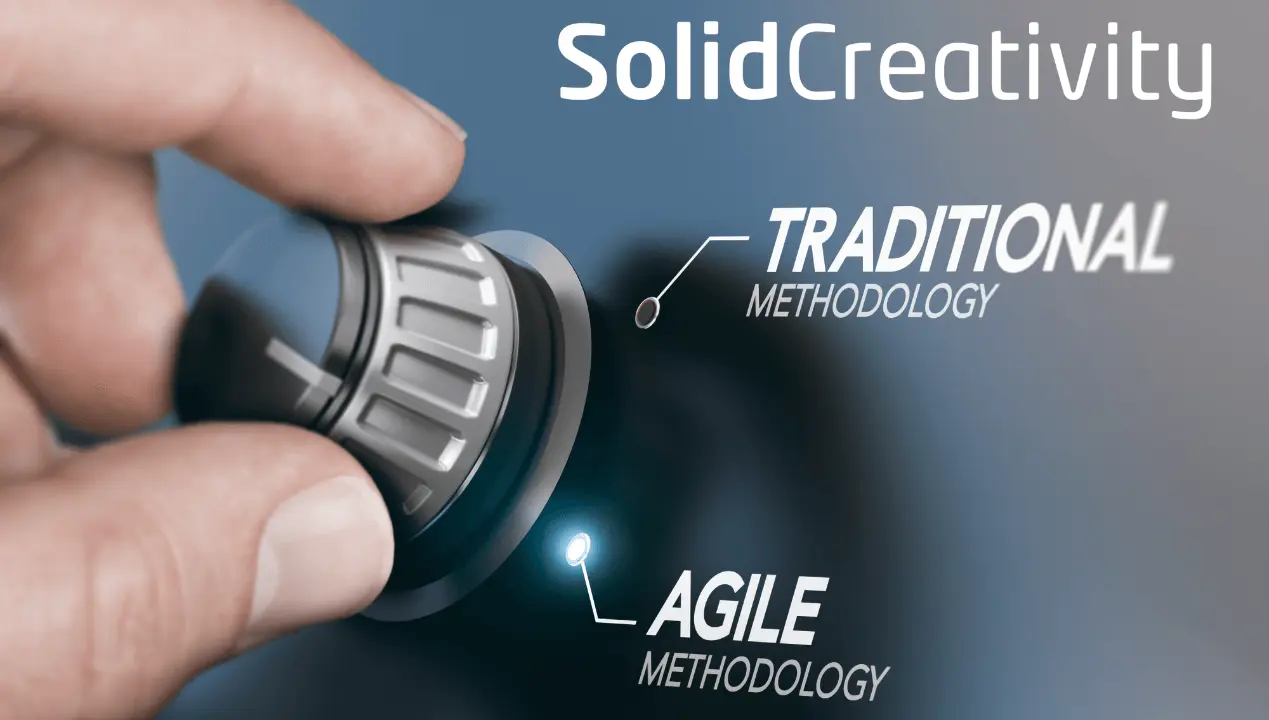
When introducing Agile management in industries other than software, and this is our specialty, some people are skeptical about the possibility of making physical projects Agile.

Agility for your industry?
The most common objection: “Agility works in IT because modifications cost nothing.” The implication being: in our field, every change is expensive, so it doesn't apply.
Airbus once told us: “We don't want half a plane.” That was their way of rejecting the iterative incremental approach. After a convincing pilot project, Airbus became a partner client and won an Usine Nouvelle award for their innovative Agile approach.
Iterative incremental works!
SolidCreativity adapted the basic principles of Agility to physical design. When we train teams, the reaction always follows the same pattern: first doubt, then pleasant surprise during practice, and then doubt returns: “OK, but there must be somewhere it doesn't work.”
And the finger then points at the rigid subcontractor.

Is it the subcontractors' fault? Again?
Subcontractors aren't Agile yet, that's true. But it's up to YOU to Agilize:
- Your relations with them
- And especially everything you do on your side, before or during their intervention
Let's take a concrete example: you need to double the fatigue resistance of a part. The certification test is performed by an independent subcontractor and takes 2 months (millions of cycles).

Agility is not about redoing everything at the end
The traditional approach: analyze, calculate, verify, validate, add a safety margin, send for certification. Wait 2 months. If bad news arrives before the 2 months are up, it means the test failed. Start all over again.
Many people confuse this large-scale trial-and-error with iterative incremental. They are not the same thing at all.

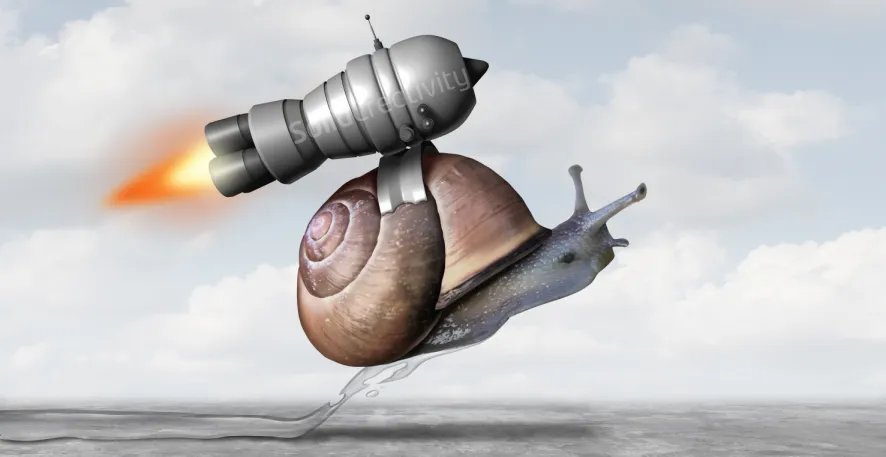
The same result, differently
In Agile management, we prefer faster and more frequent indicators. When we say this, trainees respond: “Impossible to reduce the 2-month test.”
Of course. But that's not the point. What if we had ANOTHER test, in addition?
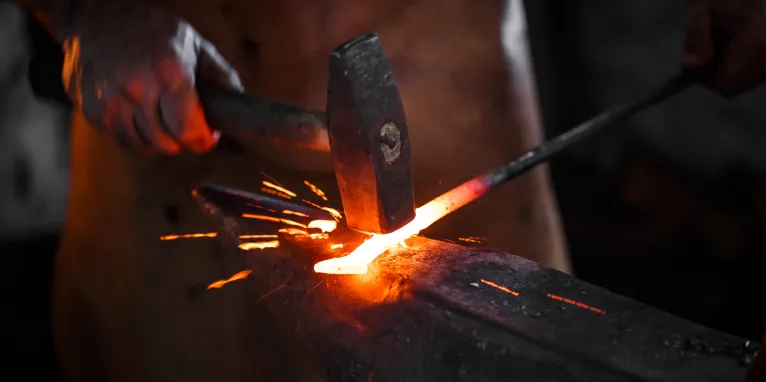
Boosting tests?
The idea: invent intermediate tests done differently, used differently. Their characteristics:
- Developed early in the project, and can be improved along the way
- Obtained by intensifying tests (doubling load, stress...)
- Fast and cheap
- Not precise, but they determine the error margin
They don't measure, they estimate.
Example: part A resists 1 million cycles in certification. We invent a test that breaks A in 1,000 cycles. We then test part B with this new test. We now have a characterized model for estimation.

In R&D, as in cooking, you taste before serving
It's exactly like tasting ingredients while cooking. You constantly taste to check you're going in the right direction. If you could estimate progress early and regularly, wouldn't you be doing project management?
To conclude
Iterative incremental applies to all domains. Don't confuse the means with the objective. The certification test remains essential, but it's no longer the only steering tool.
Discover the Agile training for non-software industries, explore our dedicated site hardware agility, and check out our client references.
