
In the LinkedIn ASIT group we regularly post innovation analyses, but the size of articles often limits the depth of analysis and especially the depth of topics. Today I propose a slightly longer technical subject ;)
As always, this is not a "client" case for obvious reasons, but a "historical" one.
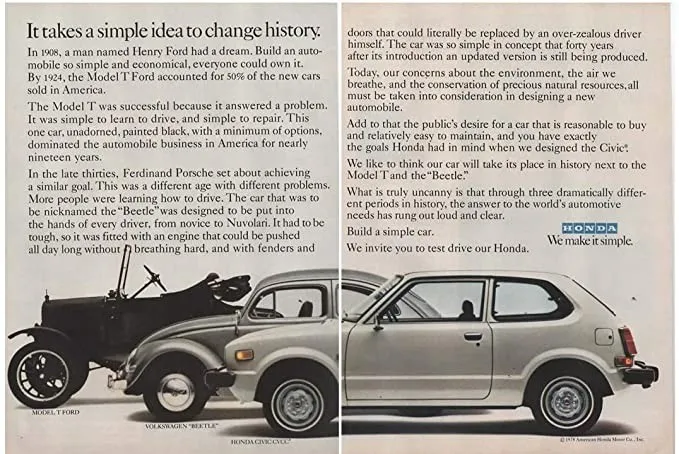
Honda cars are not very common in France, but as early as 1975 they designed a revolutionary engine: the CVCC (which would power the Civic).
In a combustion engine, a spark ignites an air-fuel mixture that explodes. This explosion is easy to produce if the mixture is rich in fuel, but the explosion is powerful and clean if the mixture is lean in fuel.
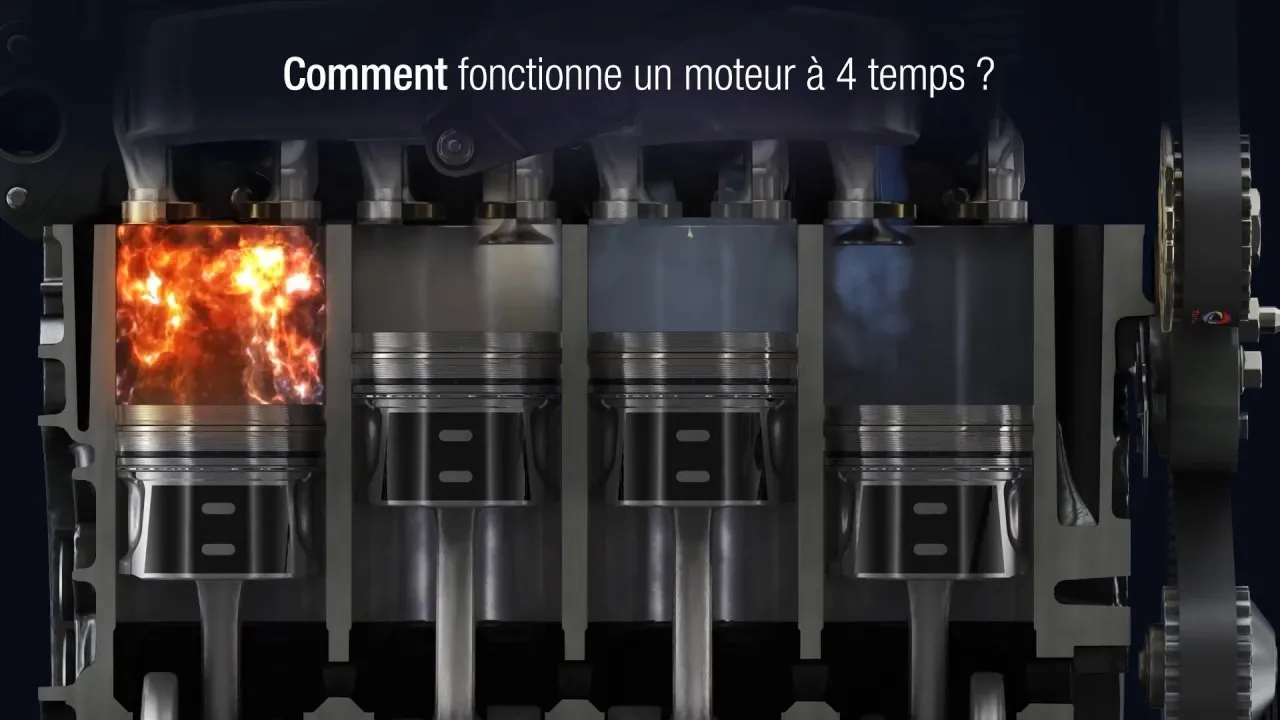
Having a mixture that is both lean and rich in fuel (easy to ignite but efficient and clean) is a contradiction for TRIZ and a qualitative challenge for ASIT (which demands a qualitative change).
If we want to treat this problem quantitatively, we find today's engines that carefully meter the mixture. An innovative but still quantitative answer is dynamic mixture adjustment (ASIT Symmetry Breaking tool).
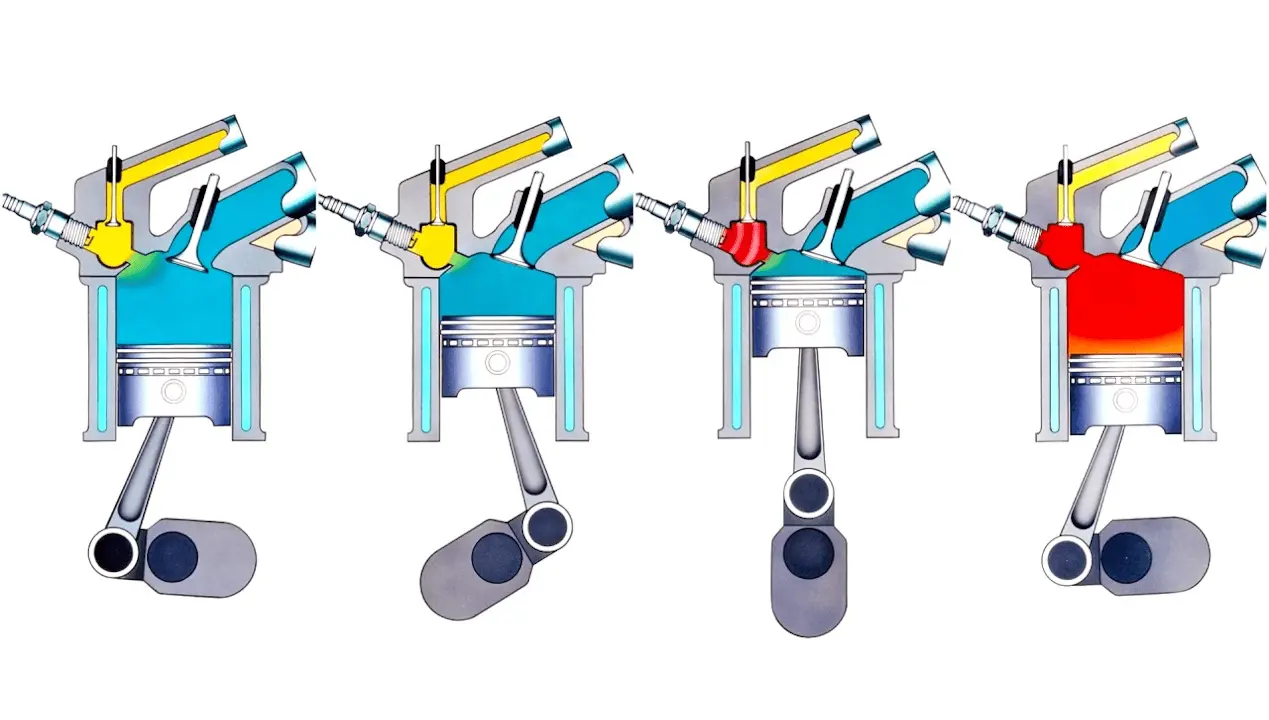
The CVCC engine (Compound Vortex Controlled Combustion) proposes a qualitative change with a pre-combustion chamber that allows a rich mixture and a lean mixture to coexist for the same explosion (ASIT Multiplication tool):
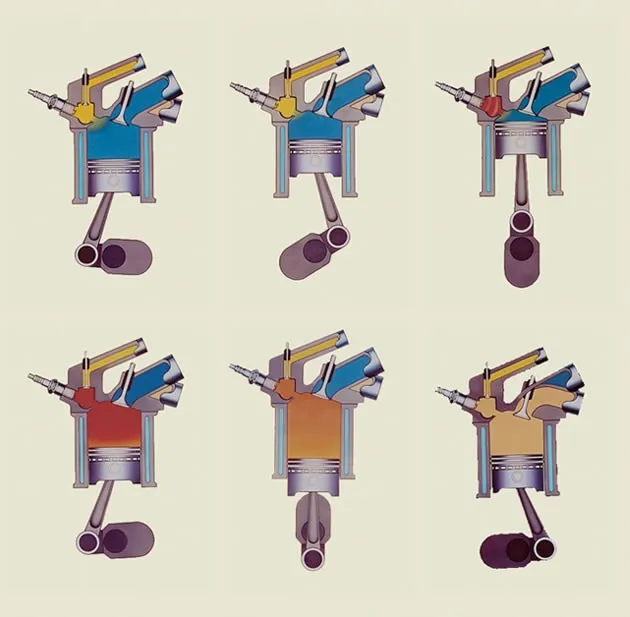
- A rich mixture is introduced into a small chamber and a lean mixture into a larger chamber; the 2 chambers communicate.
- The rich mixture ignites easily with a spark in the small chamber.
- The flame propagates from the small chamber to the large chamber.
- The large chamber (with a lean mixture) ignites very easily in turn because it is not a spark that triggers it but a fireball.
The combustion was so good that these engines achieved very impressive efficiency and did not require a catalytic converter!!
Qualitative change is a real objective when you need to innovate beyond quantitative solutions (adding precision for example) and the ASIT method does this very well ;)
Discover the ASIT method, the 40 TRIZ principles and our creativity training programs.
